

New Cybercrime Alert: Scammers Steal $20 Million from Homebuyers’ Life Savings
The Rise of Mortgage Scam Schemes
The prevalence of mortgage scams has significantly increased over recent years, as scammers continue to exploit vulnerabilities within the homebuying process. With the surge in digital transactions, cybercriminals have adapted their tactics to deceive potential homebuyers, often leading to devastating financial consequences. Many individuals have unknowingly become victims of these fraudulent schemes, losing their hard-earned life savings due to sophisticated scams.
Scammers employ a variety of methods to trick unsuspecting buyers. Chief among these is phishing emails, which are designed to look like legitimate correspondence from banks or real estate agencies. These emails often contain false information, urging recipients to click on links that redirect them to counterfeit websites. Once there, victims are prompted to enter personal and financial information, which scammers then use to access their accounts or commit identity theft.
In addition to phishing attempts, cybercriminals frequently pose as legitimate real estate agents or title companies. They create fake websites that mimic reputable firms, complete with bogus testimonials and professional imagery. Unsuspecting buyers may be swayed into trusting these impostors, revealing sensitive details about their finances and further facilitating the scam. The emotional and financial impact of these crimes can be devastating, as many victims are left reeling from the loss of their life savings and feeling violated.
Furthermore, statistics indicate that the incidence of mortgage scams has surged, with reports of significant monetary losses escalating year over year. The Federal Bureau of Investigation (FBI) has noted a considerable uptick in reported cybercrime cases related to real estate transactions. As the housing market continues to evolve, it is crucial for homebuyers to remain vigilant and educated about these threats, actively seeking out resources to protect themselves against potential scammers in this challenging landscape.
Hackers May Have Stolen Social Security Numbers of Every American: The Alarming Reality
In April, the hacking group USDOD claimed to have stolen the personal records of 2.9 billion people, including many Americans,…

Apple MacOS Vs Windows – Who Does More About Security And Privacy?
This post compares Windows and macOS privacy features, including biometric login, built-in encryption, and patch management….
Case Study: The $20 Million Scam Operation
In a troubling case of cybercrime, a 33-year-old Nigerian national residing in the United Kingdom was apprehended for orchestrating a sophisticated scam that defrauded over 400 homebuyers of approximately $20 million in their life savings. This operation involved a range of deceptive tactics designed to exploit the vulnerabilities of prospective homebuyers, demonstrating the remarkable lengths scammers will go to realize their criminal objectives.
The scam began with the creation of fraudulent property listings that appeared legitimate. Scammers used sophisticated technology to establish fake websites and social media profiles that showcased stunning properties for sale at lucrative prices. This digital facade drew in unsuspecting buyers who were lured by the promise of affordable homes. The perpetrators often posed as real estate agents or property owners, cultivating trust from the very first interaction.
Once potential targets showed interest, the scammers employed a sense of urgency, claiming that the properties were in high demand. This tactic often led victims to act quickly, bypassing essential steps such as background checks and verification of the property ownership. Red flags such as requests for upfront deposits or wiring large sums directly to bank accounts were frequently overlooked amidst the excitement of securing their dream home.
Throughout the operation, the criminals used sophisticated social engineering techniques to further manipulate their victims, employing fake emails and phone calls to maintain communication. Buyers became increasingly convinced of the authenticity of the transaction, leading them to part with significant amounts of their life savings. As the scam unraveled, many victims were left with substantial financial losses and a profound sense of betrayal.
This case serves as a profound reminder of the dangers posed by modern cybercrime, with scammers utilizing innovative methods to exploit human emotions and vulnerabilities. By shedding light on the mechanics of such scams, we aim to empower individuals with knowledge, enabling them to identify similar tactics in future transactions.
Instagram Password Reset Email Alert: What You Need to Know in January 2026
Instagram users are flooded with fake password reset emails. Learn what this…
Top 3 Security Software Solutions for Mac and Windows Users in 2026
Protect your Mac or Windows computer in 2026 with the right security…

Broken Updates, Spyware, and Forced Upgrades: How Microsoft Failed Windows in 2025
Review Microsoft’s top 10 Windows failures of 2025….
Impact on Victims and the Housing Market
The recent cybercrime that resulted in the theft of $20 million from homebuyers has left numerous victims emotionally and financially devastated. For many individuals, their life savings were earmarked for the purchase of a dream home, making this incident not just a financial loss, but a significant emotional blow. Victims report feelings of betrayal, anxiety, and uncertainty about their future. The dream of homeownership has turned into a nightmare that can lead to long-lasting psychological effects, diminishing their trust in the transaction process and financial institutions. Many victims now find themselves struggling to recover from the loss, possibly delaying their plans to buy homes or, in some cases, abandoning the idea altogether.
This cybercrime does not only affect the individuals involved; its ramifications extend to the housing market as a whole. The ripple effects of such scams can be profound. As more people become aware of the risks associated with purchasing properties, buyer confidence may begin to wane. Potential homebuyers might hesitate to engage in transactions, fearing that they too could fall prey to scams. This hesitance can lead to a slowdown in real estate activity, which could ultimately affect property values and market stability.
Reports have emerged indicating that many real estate professionals are also feeling the impact, as they navigate the challenging landscape created by increased skepticism toward digital transactions. The entire cycle—from securing loans to closing deals—can become fraught with apprehension, making it imperative for both buyers and sellers to adopt stricter security measures. The heightened awareness of cyber vulnerabilities highlights the need for the industry to evolve and ensure robust protocols that safeguard individuals’ life savings from scammers. As we reflect on the consequences this incident has wrought, it underscores the critical necessity of ongoing education and preventative strategies within the housing market.
Protecting Yourself from Cybercrime in Real Estate Transactions
As the frequency of cybercrime continues to rise, particularly in real estate transactions, it becomes crucial for homebuyers to be vigilant and proactive in securing their interests. Scammers are constantly evolving their tactics, making it essential for potential buyers to implement specific strategies to safeguard their life savings. Firstly, verifying communication is paramount. Homebuyers should always confirm the identity of any real estate professional with whom they communicate. This includes checking email addresses and phone numbers against reputable sources to ensure they are not corresponding with impostors. Be particularly wary of unexpected requests for sensitive information.
-
 AVG Secure VPN$59.00
 -

![AVG Ultimate 2023 1 Year- 10 Devices [Download] + Free remote Installation](https://goinstarepairs.com/wp-content/uploads/2023/01/img_0160-650x650.png) Product on saleAVG Ultimate$39.99 – $49.99Price range: $39.99 through $49.99
Product on saleAVG Ultimate$39.99 – $49.99Price range: $39.99 through $49.99 -
![AVG Internet Security 10 Users 1 Year [Download] + Free Remote Installation](https://goinstarepairs.com/wp-content/uploads/2023/01/img_0058-650x650.png)
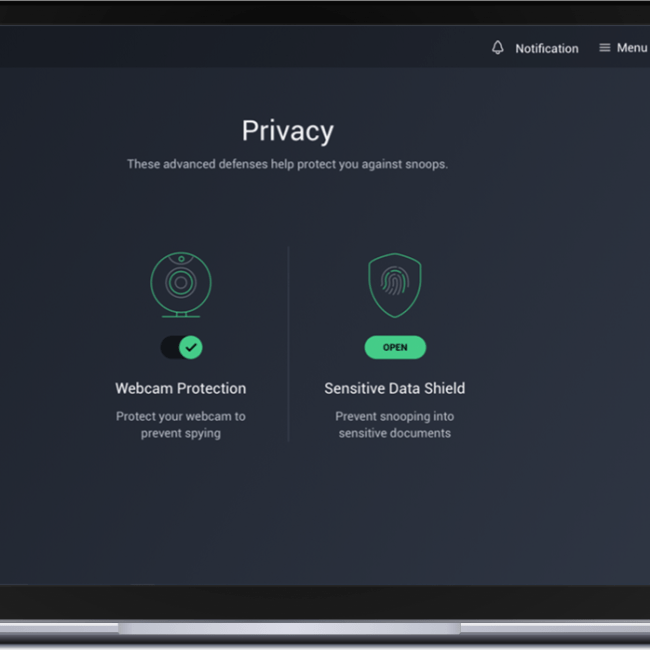 Product on saleAVG Internet Security$55.00 – $69.00Price range: $55.00 through $69.00
 -

 AVG Tune Up$39.99
Next, it’s important to identify secure payment methods. Traditional methods, such as checks or established bank transfers, tend to have more protective measures compared to newer digital payment systems which can expose you to cybercrime risks. Always avoid wiring money unless you have confirmed the party’s identity through trusted channels. Additionally, consider utilizing security software that offer protection during online transactions as they can significantly reduce the risks associated with scams.
Staying informed about common online scams is also essential. Scammers often utilize phishing emails and fake websites designed to look legitimate, tricking buyers into divulging personal information. Regularly educating yourself on emerging threats can bolster your defenses against cybercriminals. Furthermore, employing secure technology, such as the use of strong passwords, two-factor authentication, and anti-virus software, can help protect your personal information. Ensuring that devices connected to the internet are secure minimizes the likelihood of unauthorized access to sensitive data.
In conclusion, the combination of verification processes, secure payment methods, ongoing education about scams, and the use of secure technology will significantly mitigate the risks of cybercrime in real estate transactions. By taking these steps, homebuyers can better protect their investments and avoid becoming victims of fraud.